

Australia's role as a significant player in the global import market is undeniable, with imports exceeding $400 billion in 2022 alone. In this Legal Kitz article, we delve into the world of importers in Australia, exploring the diverse range of goods they bring into the country, from industry giants to dynamic small businesses. Navigating this complex landscape involves meticulous planning, regulatory adherence, and strategic partnerships.
Additionally, we'll highlight the pivotal role of the Australian Border Force in safeguarding borders and regulating imports. Furthermore, the intriguing realm of tea imports offers insights into this specialized trade, exemplifying the multifaceted nature of importing in Australia. As we explore the nuances of this dynamic industry, we uncover the key steps and partnerships that drive successful imports and contribute to the nation's economic growth.

Importers in Australia
Australia is a major importer of goods from around the world. In 2022, Australia imported goods worth over $400 billion. The top three imports in Australia are:
- Mineral fuels (such as oil and gas)
- Vehicles
- Electrical machinery and equipment
Other major imports include:
- Food and beverages
- Clothing and footwear
- Chemicals
- Machinery and equipment
- Pharmaceuticals
Importers in Australia come in all shapes and sizes, from large multinational corporations to small businesses. Some of the largest importers in Australia include:
- Wesfarmers
- Woolworths
- BHP
- Rio Tinto
- Coles
These companies import a wide range of goods, from food and beverages to clothing and electronics. They have a significant impact on the Australian economy, providing jobs and stimulating economic growth.
In addition to large corporations, there are also many small businesses that import goods into Australia. These businesses often import niche products or products that are not available locally. They can play an important role in providing consumers with a wider range of choices and can help to support local businesses.
If you are considering importing goods into Australia, there are a number of things you need to do. You will need to:
- Research the market and identify a product that you can import profitably
- Find a reliable supplier
- Get the necessary permits and licenses
- Declare and pay customs duties
- Get your goods insured
- Transport your goods to Australia
Importing goods into Australia can be a complex process, but it can also be a very rewarding one. By following the correct procedures and working with a reputable importer, you can successfully import goods into Australia and make a profit.
Here are some tips for finding importers in Australia:
- Use online directories and search engines
- Attend trade shows and events
- Contact chambers of commerce and industry associations
- Ask your suppliers for recommendations
- Do a Google search for "importers in Australia"
Once you have found a few potential importers, it is important to do your research and compare their services. You should consider factors such as their experience, their reputation, their fees, and their ability to meet your specific needs.
It is also important to make sure that the importer you choose is registered with the Australian Border Force (ABF). This will ensure that they are compliant with all Australian import regulations.
By following these tips, you can find a reputable importer in Australia and successfully import the goods you need.
The Australian Border Force and importers
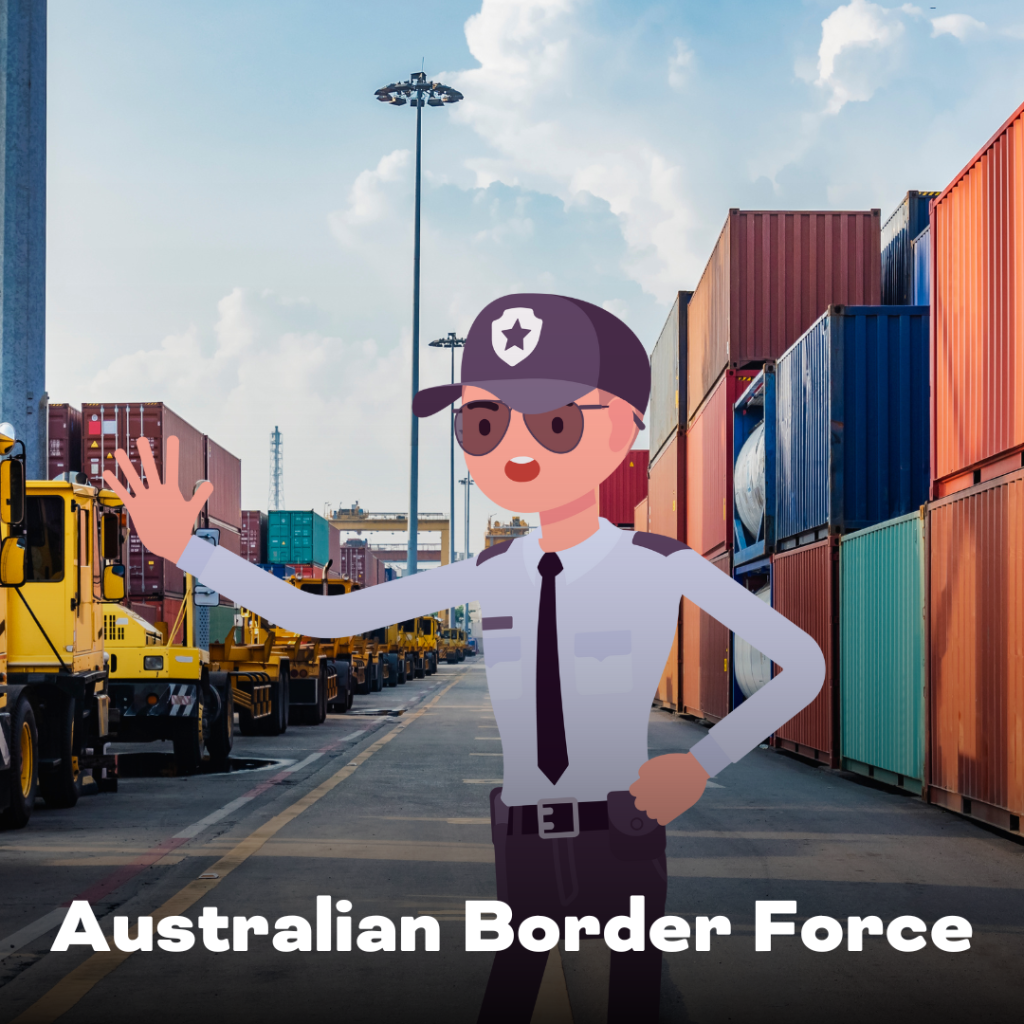
The Australian Border Force (ABF) is a federal law enforcement agency responsible for protecting Australia's borders. This includes preventing the importation of illegal goods, such as drugs, weapons, and counterfeit goods. The ABF also plays a role in enforcing Australia's customs regulations, which importers must comply with in order to bring goods into the country.
Here are some of the functions of the ABF that relate to importers in Australia:
- Preventing the importation of illegal goods: The ABF uses a variety of methods to prevent the importation of illegal goods, including:
- Screening cargo and passengers at airports, seaports, and mail facilities
- Conducting intelligence-led investigations
- Deploying specialized units, such as the Dog Squad and the Airwing
- Enforcing customs regulations: The ABF enforces a wide range of customs regulations, including:
- The declaration of goods to customs
- The payment of customs duties
- The compliance with import permits and licenses
- The inspection of goods
- Providing information and advice to importers: The ABF provides information and advice to importers about customs regulations and procedures. This information is available on the ABF website and through the ABF's contact center.
By working with the ABF, importers can help to ensure that they are compliant with Australian customs regulations and that they are not importing illegal goods into the country. This helps to protect Australia's borders and to ensure the safety of the Australian community.
Here are some tips for importers to work with the ABF:
- Register with the ABF: All importers who import goods into Australia must register with the ABF. This can be done online or by contacting the ABF's contact center.
- Declare all goods to customs: Importers must declare all goods to customs, including the value of the goods, the country of origin, and the purpose of the import.
- Pay customs duties: Importers must pay customs duties on goods that are imported into Australia. The amount of customs duty payable will vary depending on the type of goods and the value of the goods.
- Obtain the necessary permits and licenses: Some goods require permits or licenses to be imported into Australia. Importers must ensure that they have obtained the necessary permits or licenses before importing goods into the country.
- Comply with import regulations: Importers must comply with all Australian import regulations. This includes regulations relating to the labelling of goods, the packaging of goods, and the transportation of goods.
By following these tips, importers can help to ensure that they are compliant with Australian customs regulations and that they are working with the ABF in a cooperative and efficient manner.
Tea importers in Australia
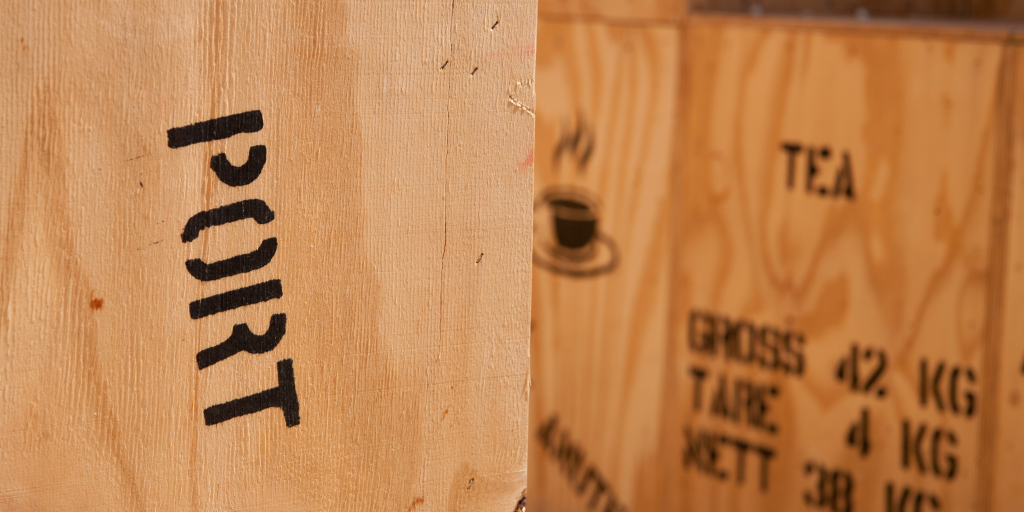
Australia is a major importer of tea, with over 100 million cups of tea consumed each year. The top three tea importing countries into Australia are:
- India
- Sri Lanka
- Indonesia
In Australia, there is a number of tea importers, ranging from large multinational companies to small businesses. Some of the largest companies that import tea in Australia include:
- Larsen and Thompson
- Teavision
- Australian Tea Masters
- Tour de Tea
- Tavalon Tea
These companies import a wide variety of tea, from black tea to green tea to herbal tea. They also offer a variety of services, such as private label tea packaging and wholesale tea distribution.
In addition to large corporations, there are also many small businesses that import tea into Australia. These businesses often import niche teas or teas that are not available locally. They can play an important role in providing consumers with a wider range of choices and can help to support local businesses.
If you are considering importing tea into Australia, there are a number of things you need to do. You will need to:
- Research the market and identify a tea that you can import profitably
- Find a reliable supplier
- Get the necessary permits and licenses
- Declare and pay customs duties
- Get your tea insured
- Transport your tea to Australia
Importing tea into Australia can be a complex process, but it can also be a very rewarding one. By following the correct procedures and working with a reputable importer, you can successfully import tea into Australia and make a profit.
Here are some tips for finding tea importers within Australia:
- Use online directories and search engines
- Attend trade shows and events
- Contact chambers of commerce and industry associations
- Ask your suppliers for recommendations
Once you have found a few potential importers, it is important to do your research and compare their services. You should consider factors such as their experience, their reputation, their fees, and their ability to meet your specific needs.
It is also important to make sure that the importer you choose is registered with the Australian Border Force (ABF). This will ensure that they are compliant with all Australian import regulations.
By following these tips, you can find a reputable tea importer in Australia and successfully import the teas you need.

Here are some of the benefits of working with a tea importer in Australia:
- Tea importers have a wide network of suppliers, which gives them access to a variety of teas from all over the world.
- Tea importers have the experience and expertise to navigate the complex import process in Australia.
- Tea importers can help you to find the best teas for your business and your customers.
- Tea importers can offer a variety of services, such as private label tea packaging and wholesale tea distribution.
- Tea importers can help you to save time and money by handling the import process for you.
Legal advice
If you need further assistance or advice regarding imports, Legal Kitz would love to help you. We offer free resources and the option to request a free 30-minute consultation for all of your commercial queries. Additionally, our sister company Business Kitz offers a subscription-based plan with over 150+ legally compliant documents.
Disclaimer: This article is general information only and is not legal advice. It is current as at the date of publication shown above, does not take into account your circumstances, and reading it does not create a lawyer-client relationship. Laws change, so please obtain legal advice about your specific situation before acting or relying on this information.