
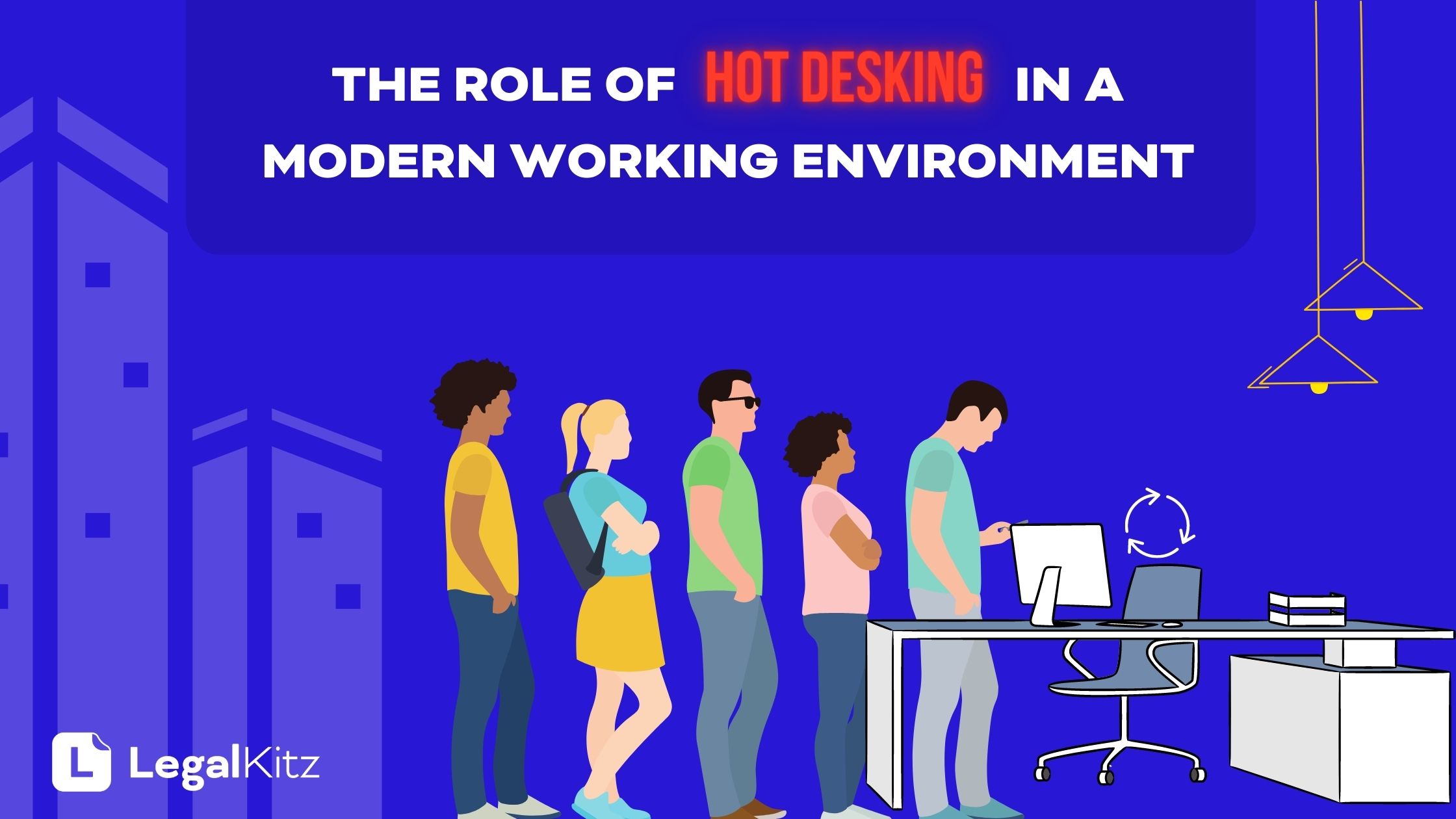
What is hot desking?
Hot desking is a style of office organisation that eradicates the traditional fixed and personal workspace. Instead of allocating desks to workers, desks are provided when required or on a rota system. This means that an employee may be given a new desk every day instead of a permanently assigned one. This strategy allows employees to share a single workstation across different times of the day which results in increased productivity and decreased cost for the company. Continue reading this Legal Kitz blog to find out more about hot desking.
Why has hot desking become so popular?
Over the past 5 years, there has been a drastic shift into working from home and this new style of employment has created a new modern working environment, which has raised the expectations of employees. COVID-19 has further enhanced the need for hot desking as more employees are opting to work from home, and office environments will have to reduce desks in use due to social distancing measures.
This has led to the hybrid working environment which has shifted many employees to working some days from home and some days at the office. The trend of hybrid work furthermore enhances the attractiveness of a company to its employees. A study conducted by Employment Hero found that having flexible working options was one of the top reasons for job seekers to consider a role in an organisation.
What are the benefits of hot desking?
Cost effectiveness
Using the hot desking method reduces the number of underused workstations within an office, which has become a significant problem for many businesses since the work from home trend. It is estimated that one workstation can cost up to $18,000 per year for a company, meaning when employees work from home 70% of the time, a company with 1000 employees could lose up to $2.52 million on unused workspace.
Inclusive of mobile workers
A mobile worker is someone who works in more than one place and might travel as part of their job. These employees typically do not receive a permanent desk as they are not in the office often. This can lead to them feeling excluded from the office morale and working environment. Hot desking allows these workers to not feel alienated as every co-worker adapts to their environment leading to greater discussions and productivity.
Improves your employee value proposition (EVP)
An employee value proposition (EVP) is defined as a “unique set of benefits that an employee receives in return for the skills, capabilities, and experience they bring to a company”. This includes all of the perks and incentives the company provides to make the job more attractive to potential employees compared to competitors. The post-pandemic rise in demand for a hybrid working environment gives companies the opportunity to increase employee morale and engagement using the hot desking strategy.
Improved productivity
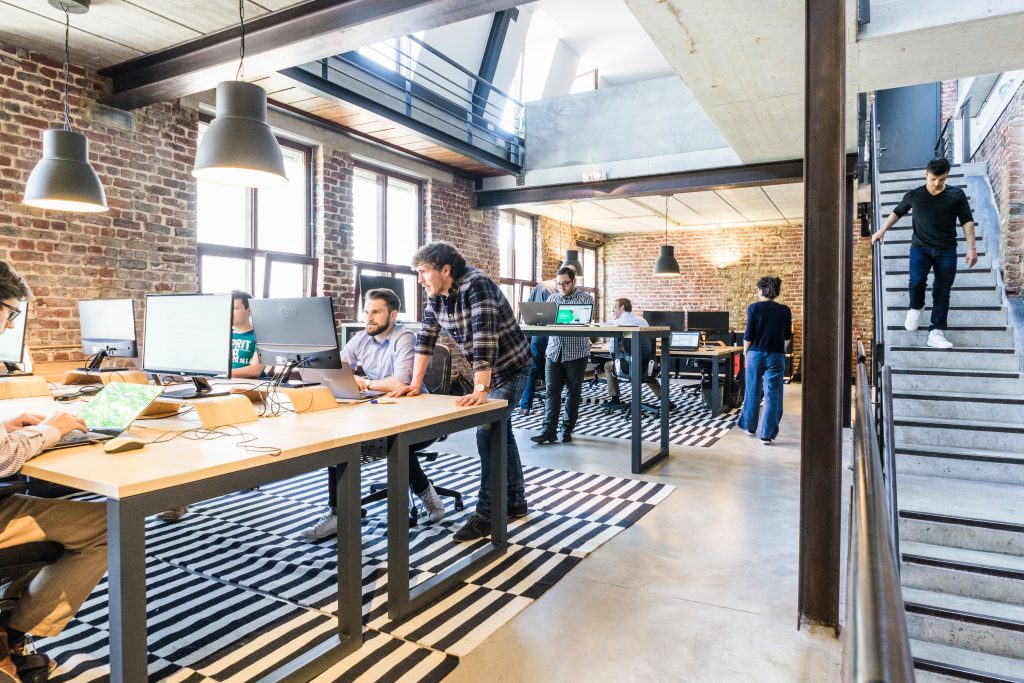
The hot desking strategy allows employees to choose their own desk for the day, allowing flexibility to decide on the location of their desk depending on their needs for the day. If employees require extra concentration, they may choose a quieter area to work, whereas if they need to collaborate with the team they can work in a collaborative and open area. This provides a sufficient alternative to working from home for those who may be unable to do so.
Collaborative working environment
When employees are not permanently placed next to the same desk neighbours, they are given the opportunity to collaborate and interact more within the office. This increases team communication and can allow a greater inclusivity within the environment - which plays a large role in workplace health and wellbeing.
Space utilisation
Hot desking allows the company to reduce unwanted space and declutter the working environment. This may mean removing some desks and downsizing; which will result in less mess to maintain and allows a fresh environment.
Are there any disadvantages to hot desking?
No personalisation
One benefit of having a permanent office space is that you are able to personalise your area with photos and personal items, as well as allowing them to store their belongings in a fixed location. Each employee may also have slight adjustments to their working environment such as the chair height, angle of the monitor, etc. meaning that hot desking requires employees to start from scratch in an impersonal environment that could lead to greater disruption during the day.
Limited availability and adaptability
If the amount of workstations are not sufficient to meet the demand of employees, this can cause a significant disruption to the productivity of the team, and this could potentially result in employees being left without a desk. A booking system can allow this problem to be eased as employees can notify employers of when employees are going to be in the office, including what space they require for that day (quiet area, collaborative space, etc.).
Discriminates against employees with disabilities
Some employees may have disabilities that affect their ability to work in different environments, meaning they may require a permanent adapted workspace. For example, some employees may have sensitivity to noise or light. There should be an adaptable arrangement to allow both hot desking and permanent solutions for those who require them.
Disrupts the workplace hierarchy
Hot desking provides an advantage by creating a more equal workplace where all employees can be viewed on the same level, however, this can also act as a disadvantage as there is a loss of emphasis on the structure of the company (managers, executives, etc.), so an active approach must be made to ensure this isn’t affected.
Changes in routine
All employees will have created a routine and permanent setup in their environment that has made them feel comfortable, which may include privacy measures, and personal belongings. This change means that the employee now has to adapt their routine which may take time and cause some disruption to their work.
The history of hot desking
The term ‘hot desking’ was first coined in the 1990s from which a popular U.S. Navy practice of ‘hot racking’ was adapted into the corporate world. This U.S. Navy strategy involved rotating sailors' bunks when finishing a shift. The tired sailor would take the warm bunk of another sailor who was beginning their shift. This theory stems from the fact that no matter what the beds were always kept warm. Within the corporate world, this same theory can be applied to the concept of productivity, in which a rotation of staff at these workstations on different days will ensure progress is always being made.
Legal advice
If you are unsure about how to best protect yourself and your future business, our company, Legal Kitz can assist you. To arrange a FREE consultation with one of our highly experienced solicitors, click here today, or contact us at info@legalkitz.com.au or 1300 988 954.
Disclaimer: This article is general information only and is not legal advice. It is current as at the date of publication shown above, does not take into account your circumstances, and reading it does not create a lawyer-client relationship. Laws change, so please obtain legal advice about your specific situation before acting or relying on this information.